Flake Epoxy vs. Plain Epoxy: The Difference That Hides Every Scratch and Spill
May 21, 2026
Epoxy flooring has become a preferred surface solution in garages, commercial spaces, and industrial environments due to its strength, durability, and seamless finish. Among the most common choices, flake epoxy and plain epoxy stand out as two distinct systems that serve different performance and aesthetic needs. While both are built on the same foundational resin technology, the final outcome they deliver can be significantly different in terms of appearance, maintenance, and long-term surface protection. Understanding these differences is essential for making an informed flooring decision that aligns with both functional requirements and visual expectations. This knowledge also helps in selecting a system that performs consistently under real-world usage conditions. Proper selection ensures better resistance to wear and improved surface longevity over time.
In modern flooring applications, surface performance is no longer judged only by durability but also by how well it maintains its appearance under daily wear. Scratches, stains, and spills are unavoidable in high-use environments, which makes the choice between flake epoxy and plain epoxy even more critical. One system emphasizes simplicity and a smooth finish, while the other introduces texture and visual depth designed to mask imperfections. The right selection can influence long-term maintenance costs, safety, and overall user satisfaction. This comparison highlights how each system performs in real-world conditions and why the differences matter more than most property owners initially realize when planning a flooring upgrade or restoration project. It also emphasizes the importance of evaluating long-term performance instead of focusing only on initial appearance or installation cost.
Understanding Epoxy Flooring Systems
Plain Epoxy: Clean Simplicity with a Smooth Finish
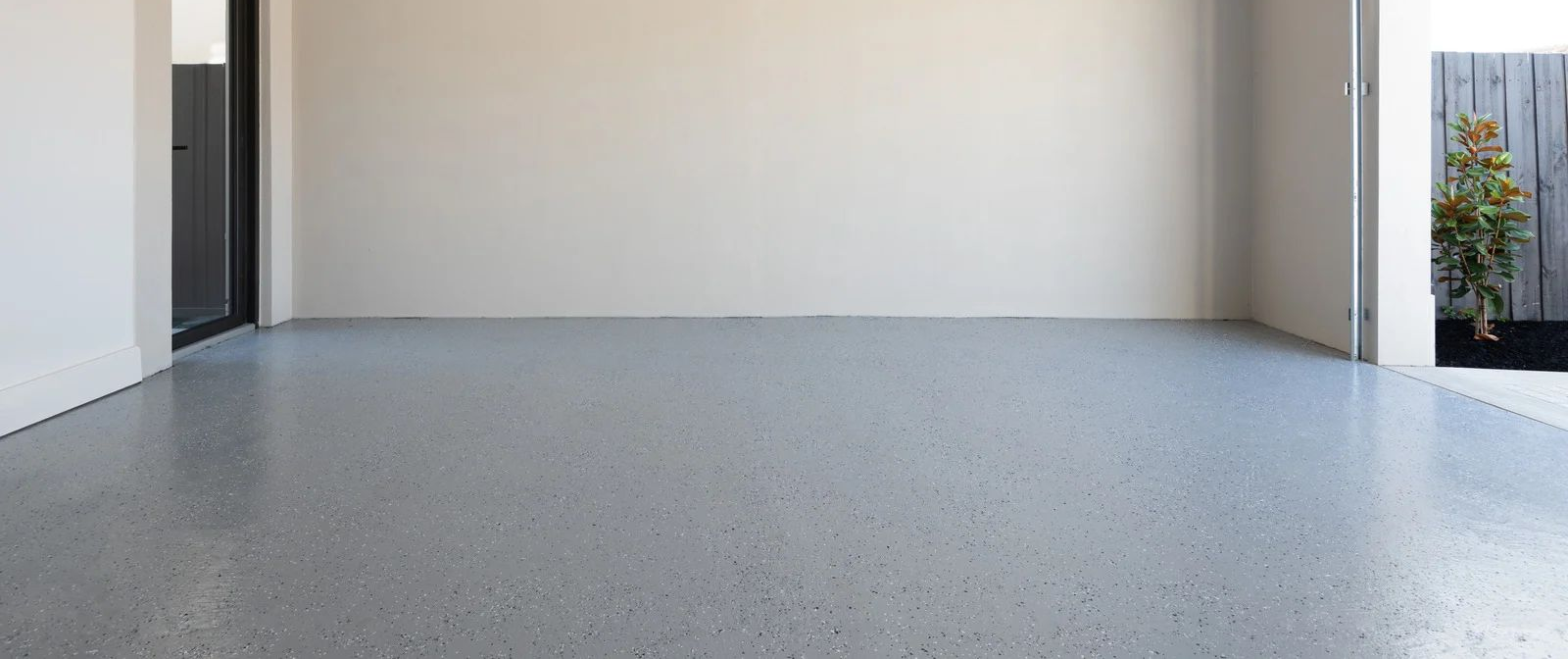
Plain epoxy flooring consists of a single-color resin coating applied over a prepared concrete surface. The result is a glossy, uniform appearance that reflects light and creates a clean, polished look. This system is often chosen for spaces that prioritize minimalism and visual consistency. However, its smooth surface can make scratches, dust, and stains more visible over time.
Flake Epoxy: Multi-Layered Decorative Strength
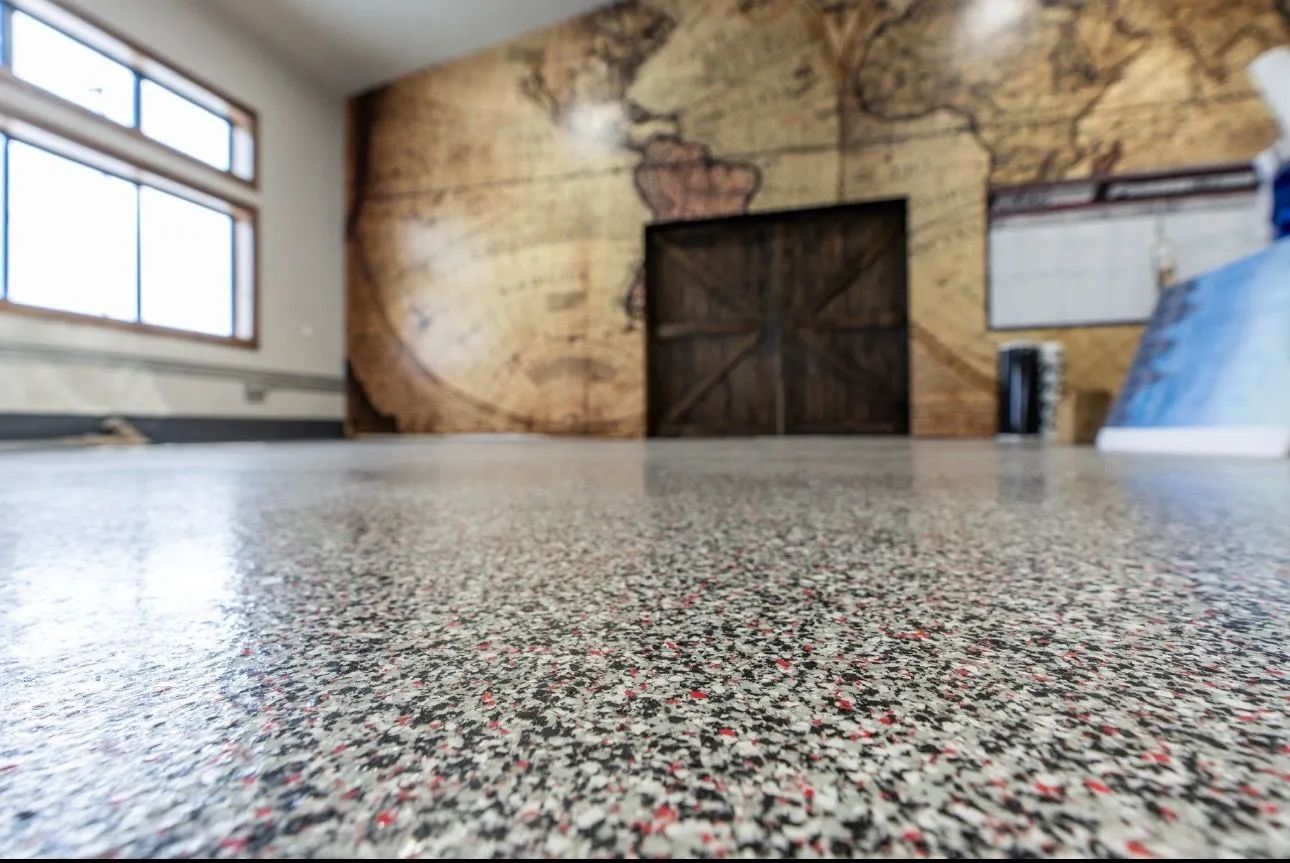
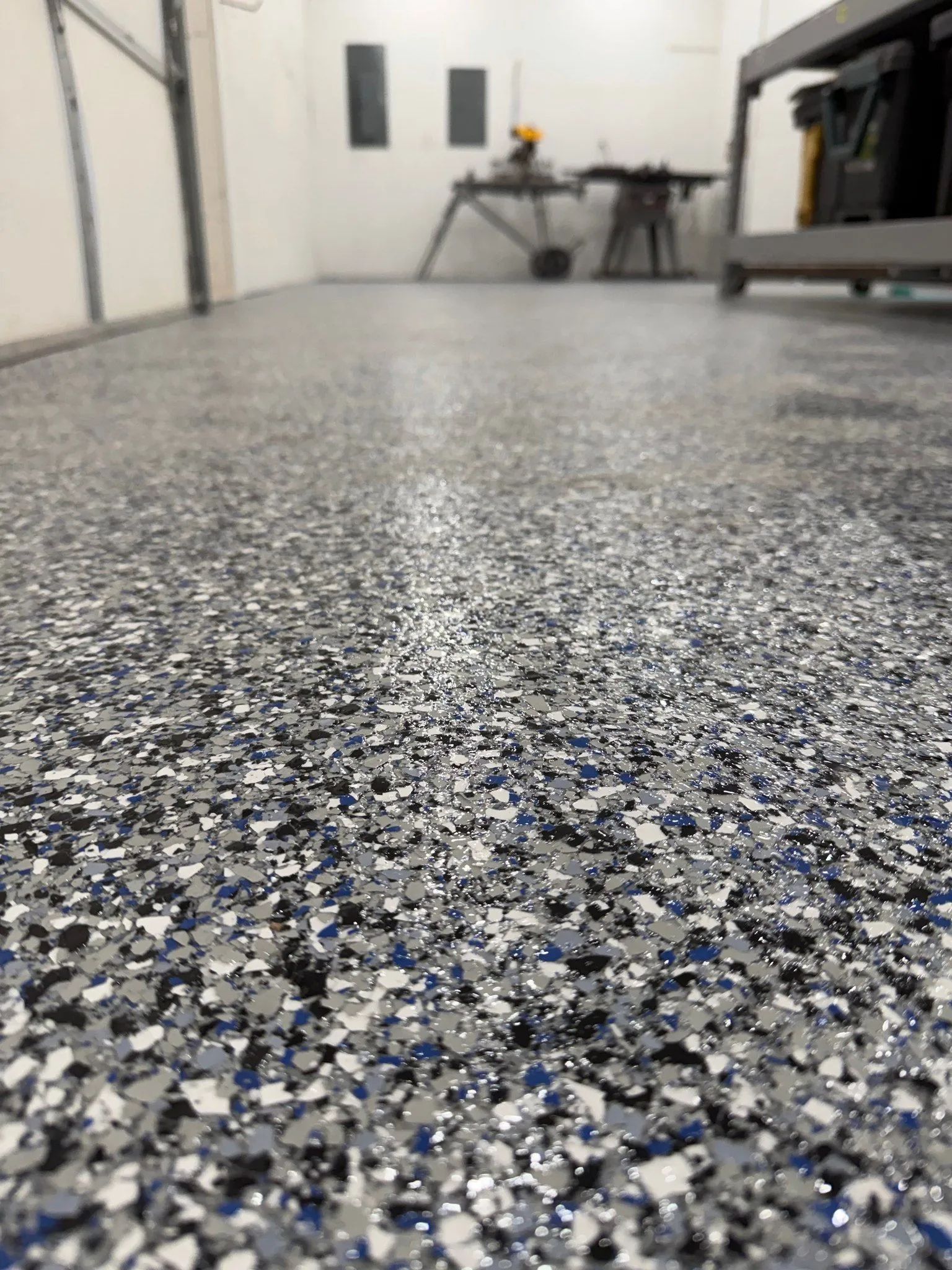
Flake epoxy flooring incorporates decorative vinyl flakes broadcast into the epoxy base layer before being sealed with a clear topcoat. These flakes add texture, depth, and visual variation, creating a speckled surface that naturally hides imperfections. The layered structure improves both aesthetics and functional resilience, making it suitable for demanding environments.
Core Structural Difference
Both systems rely on epoxy resin chemistry, but the addition of flakes changes how light interacts with the surface. Plain epoxy reflects light uniformly, while flake epoxy diffuses it, reducing the visibility of wear patterns and minor damage. This difference directly influences maintenance needs, visual clarity, and long-term performance in both residential and commercial flooring applications.
Why the System Choice Matters
The selection between these two systems directly impacts long-term satisfaction. Surface performance, maintenance frequency, and visual aging all depend on how the flooring system is constructed and how it responds to daily use conditions. This makes material choice critical for achieving consistent results in demanding environments where durability and appearance alignment are equally important.
Visual Performance and Aesthetic Longevity
Plain Epoxy: Minimalist Appeal with Visible Wear
Plain epoxy delivers a sleek, uninterrupted surface that works well in modern spaces. However, its uniform finish tends to highlight imperfections such as scratches, tire marks, and spill stains. Over time, even minor wear becomes noticeable due to the reflective nature of the surface, often increasing maintenance requirements in high-use environments.
Flake Epoxy: Depth That Conceals Imperfections
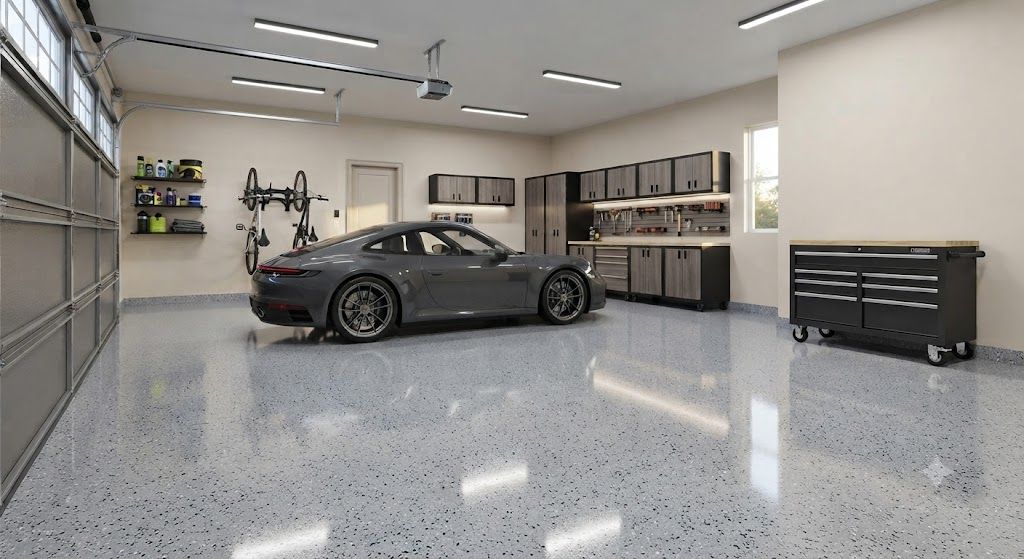
Flake epoxy introduces a multi-tonal visual effect that naturally camouflages surface damage. The scattered flakes break up light reflection, making scratches and spills far less visible. This creates a consistently clean appearance even in high-traffic environments, making it ideal for garages and commercial spaces with frequent use.
Impact of Lighting and Usage
In bright lighting conditions, plain epoxy can show roller marks or abrasions more clearly. Flake epoxy minimizes these effects by diffusing light across a textured surface, maintaining a balanced appearance under varying conditions. This makes it more suitable for spaces requiring consistent visual quality throughout the day.
Long-Term Visual Stability
A key advantage of flake epoxy is its ability to maintain aesthetic integrity over time. While plain epoxy may require frequent refinishing to preserve its appearance, flake systems continue to look uniform even with regular use and exposure to mechanical stress, ensuring long-term visual consistency in demanding environments.
Durability, Scratch Resistance, and Spill Protection
Surface Resistance of Plain Epoxy
Plain epoxy provides strong chemical and abrasion resistance at the structural level. However, its smooth finish makes surface-level scratches more visible. Heavy movement, dropped tools, or vehicle traffic can leave marks that stand out clearly, especially in garages and industrial environments with frequent impact.
Flake Epoxy as a Protective Layer System
Flake epoxy enhances durability not by changing the base resin strength, but by adding a textured layer that distributes impact and reduces visible damage. Scratches tend to blend into the multi-colored flake pattern rather than stand out, improving surface appearance retention under heavy use conditions.
Spill Performance and Stain Behavior
Both systems resist chemical spills, oils, and water penetration. However, flake epoxy reduces visible staining by breaking up surface uniformity, making spills less noticeable before cleaning occurs. This improves maintenance efficiency in busy environments where quick cleanup is essential.
Real-World Performance Scenarios
In garages, workshops, or commercial zones, dropped tools and fluid spills are common. Plain epoxy highlights these incidents immediately, while flake epoxy minimizes their visual impact, allowing the surface to maintain a cleaner overall appearance between maintenance cycles.
Maintenance, Cleaning, and Long-Term Care
Cleaning Requirements for Plain Epoxy
Plain epoxy surfaces are easy to clean due to their smooth structure. Dirt and dust can be wiped away quickly, but stains and scratches may require polishing or recoating to restore appearance. This can increase maintenance effort in high-visibility areas where aesthetics are a priority.
Flake Epoxy Maintenance Advantages
Flake epoxy offers a more forgiving maintenance profile. The textured surface reduces the visibility of dirt accumulation and minor wear, lowering the frequency of deep restoration needs. This makes it well-suited for high-use environments where long-term appearance retention is important.
Daily Care Differences
Routine sweeping and mopping are sufficient for both systems. However, plain epoxy demands more attention to maintain its showroom-like appearance, especially in high-traffic zones. Flake epoxy reduces visible dirt buildup, making routine maintenance more efficient and less demanding.
Long-Term Maintenance Considerations
Over time, flake epoxy typically requires fewer cosmetic touch-ups. Its ability to mask imperfections reduces long-term maintenance costs and preserves visual consistency with less intervention, improving lifecycle performance in demanding environments.
Cost, Installation Factors, and Practical Decision-Making
Installation Complexity
Plain epoxy installations are generally faster due to fewer material layers. Flake epoxy requires additional steps, including broadcasting flakes and applying a protective topcoat, which increases installation time and process complexity, along with more detailed surface preparation requirements overall.
Cost Considerations
Plain epoxy may initially appear more cost-effective, but long-term maintenance can increase total ownership expenses. Flake epoxy involves a higher upfront investment but often reduces repair and refinishing needs, improving long-term value and overall flooring durability significantly.
Suitability Based on Environment
Plain epoxy is suitable for low-traffic, controlled environments where appearance consistency is prioritized. Flake epoxy is better suited for garages, commercial areas, and high-use floors where durability and visual stability are critical under demanding daily operational conditions.
Practical Selection Insight
The decision ultimately depends on balancing budget, usage intensity, and desired aesthetic longevity. Surface performance over time often reveals the true value of each system beyond the initial installation cost, supporting more informed and practical flooring decisions for property owners.
Professional Epoxy Systems Ensuring Durable Performance Outcomes
Honey Badger Concrete Coatings stands as a trusted name in Epoxy Floor Coating Services, delivering reliable surface solutions designed for long-term performance and visual excellence. With over 10+ years of experience in the industry, a strong focus remains on precision surface preparation, advanced coating systems, and durable finishes that withstand demanding environments. Every flooring project is approached with a commitment to quality, ensuring that both functional strength and aesthetic appeal are achieved without compromise. Consistent attention to detail ensures each surface performs reliably under daily stress and heavy use conditions.
Specialization in epoxy systems allows consistent delivery of results that meet modern expectations for residential, commercial, and industrial spaces. Whether the requirement involves enhanced scratch resistance, improved spill protection, or visually refined flooring, each application is designed to perform under real-world conditions. Attention to detail throughout the installation process ensures that surfaces maintain structural integrity and long-lasting visual clarity. This approach supports flooring systems that remain stable, attractive, and highly functional over extended periods of use.
Located in Camdenton, Missouri, Honey Badger Concrete Coatings continues to serve as a dependable provider for clients seeking advanced flooring solutions. Strong technical knowledge combined with hands-on experience allows every project to be executed with confidence and reliability. The focus remains on delivering flooring systems that not only meet expectations but consistently exceed them through durability, craftsmanship, and professional excellence. Ongoing commitment to innovation and quality ensures continued trust and long-term client satisfaction across every project completed.