Why Your Garage Floor Keeps Cracking (And What a Coating Actually Does)
April 30, 2026
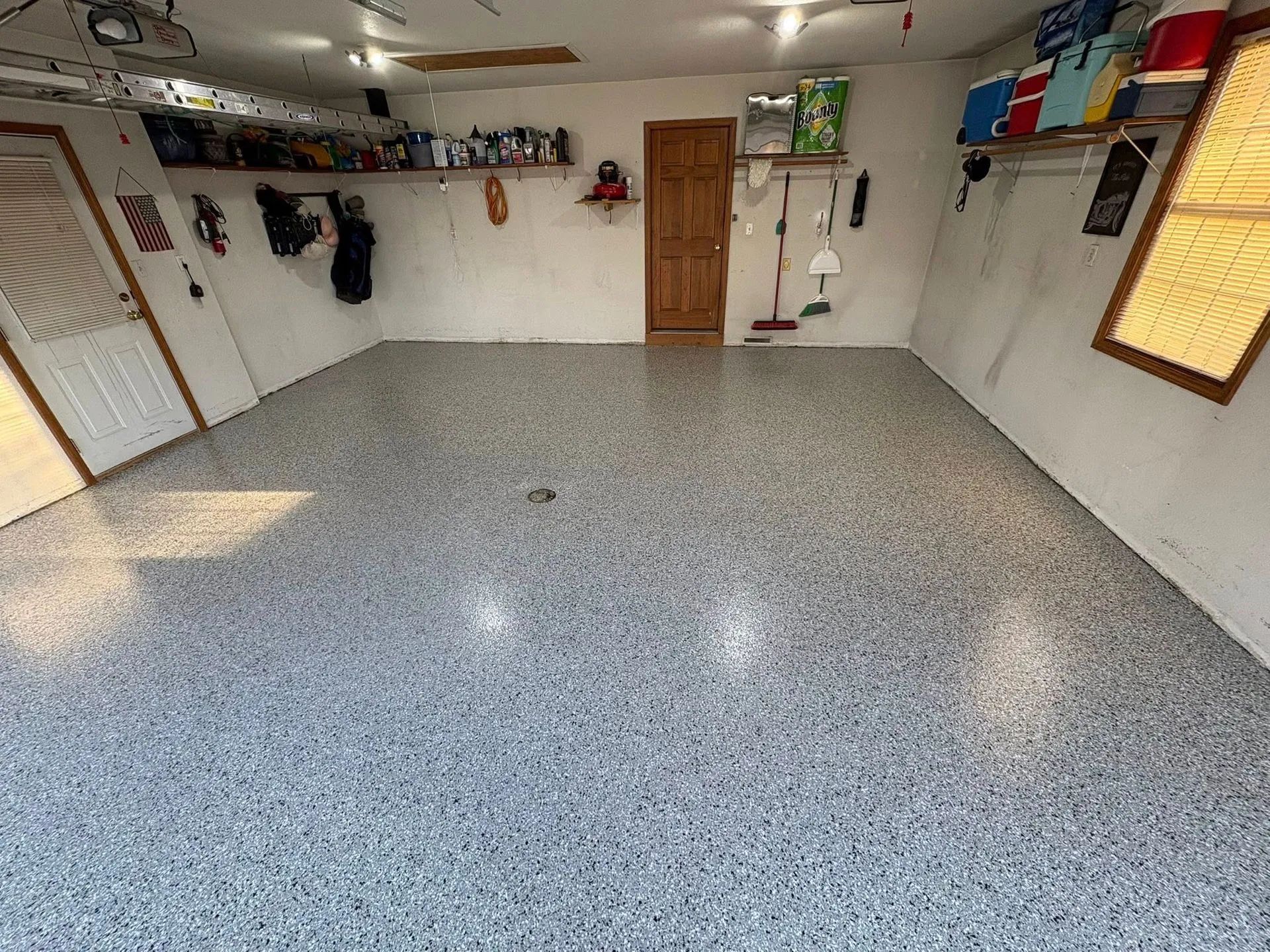
Garage floor cracking is one of the most common concerns faced by property owners, yet it is often misunderstood. What appears as simple surface damage is usually the result of deeper structural, environmental, and material-related factors. Over time, even well-built concrete slabs begin to show signs of stress, leading to visible cracks that affect both durability and appearance. Understanding why this happens is essential for preventing recurring damage and maintaining long-term floor performance. Over time, these small imperfections can expand under continuous load and exposure. Without proper attention, minor cracks often evolve into larger structural concerns that compromise surface stability and usability. In many situations, early-stage cracks also develop silently beneath coatings or surface finishes, making them harder to detect until they widen. This is why routine inspection and timely maintenance play a crucial role in controlling long-term deterioration.
In most cases, garage floors are exposed to heavy loads, temperature fluctuations, moisture changes, and soil movement beneath the slab. These conditions gradually weaken the concrete matrix, creating stress points that eventually turn into cracks. While minor surface lines may seem harmless, they often indicate underlying issues that can worsen if left untreated. This is where protective solutions like coatings come into consideration, offering not just aesthetic improvement but also functional reinforcement. However, coatings are frequently misunderstood as permanent fixes rather than protective layers. To make informed decisions, it is important to understand the root causes of cracking and what coatings actually do for a garage floor system. Proper evaluation of these conditions helps in selecting the right long-term protection strategy for sustained durability. Additionally, correct surface preparation before any coating application significantly determines how effectively the system performs over time, especially under continuous stress and environmental exposure.
Understanding Why Garage Floors Crack
Natural Concrete Shrinkage and Aging
Concrete is a dynamic material that keeps changing after installation. As curing progresses, moisture gradually evaporates, causing natural shrinkage within the slab. This creates internal tension that often results in hairline cracks. Over time, aging reduces surface strength further, making the garage floor increasingly vulnerable to visible damage even under normal daily use conditions.
Structural Load Stress
Garage floors are not engineered for unlimited or concentrated weight pressure. Parking heavy vehicles, storing machinery, or repeated impact from tools creates uneven stress distribution across the slab. These pressure points build up gradually, forcing the concrete to flex beyond its capacity. Once internal resistance is exceeded, cracking begins at structurally weaker zones of the surface.
Poor Initial Curing Process
Improper curing during installation significantly increases long-term cracking risks in concrete slabs. When drying occurs too quickly or unevenly, the material loses consistent strength throughout its structure. This results in density variations that weaken specific areas. Without proper curing control, the slab becomes more susceptible to early-stage fractures and long-term durability issues under regular usage conditions.
Soil Movement and Foundation Instability
Expansive Soil Behavior
Beneath every garage floor lies soil that continuously reacts to changing moisture levels. In clay-heavy regions, soil expands when water is absorbed and contracts during dry periods. This constant movement creates shifting pressure beneath the slab, gradually causing stress fractures. Over time, repeated expansion and contraction cycles significantly weaken the overall structural stability of concrete flooring systems.
Settlement and Void Formation
Soil settlement occurs when the ground beneath the slab shifts or compacts unevenly over time. This process leads to the formation of voids that reduce proper structural support. As a result, certain sections of concrete may sink or tilt slightly. These imbalances create diagonal stress lines that eventually develop into visible cracks across affected floor areas.
Drainage and Water Accumulation Issues
Poor drainage around garage foundations allows water to collect near or beneath concrete slabs. Continuous moisture exposure weakens the supporting soil, reducing its load-bearing capacity over time. This leads to instability beneath the surface, causing uneven settling. Eventually, visible cracks form and spread outward as structural support continues to deteriorate under prolonged wet conditions.
Environmental Stress and Temperature Fluctuations
Expansion and Contraction Cycles
Concrete naturally expands during heat exposure and contracts when temperatures drop. These repeated cycles create continuous internal stress within the slab structure. Without properly designed expansion joints, this pressure has no relief points. Over time, accumulated stress exceeds material limits, resulting in surface cracks that gradually widen under ongoing environmental temperature fluctuations and seasonal changes.
Freeze-Thaw Damage
In colder environments, moisture trapped inside concrete freezes and expands, creating internal pressure within the slab. When temperatures rise, the ice melts, leaving behind small voids and weakened zones. Repeated freeze-thaw cycles progressively worsen this damage. Even minor surface cracks expand significantly over time, leading to deeper structural deterioration and reduced long-term durability of concrete surfaces.
Chemical Exposure and Surface Degradation
Garage floors are frequently exposed to chemicals such as motor oil, antifreeze, gasoline, and cleaning agents. These substances penetrate porous concrete surfaces and gradually weaken the upper layer. Combined with environmental exposure, this chemical infiltration accelerates surface erosion. Over time, the weakened structure becomes more prone to cracking, staining, and long-term surface degradation under regular use conditions.
Construction Quality and Installation Factors
Inadequate Reinforcement
Proper reinforcement is essential for distributing loads evenly across a concrete slab. When materials like rebar or wire mesh are missing, insufficient, or poorly positioned, stress concentrations develop in specific areas. These weak points cannot handle heavy pressure effectively. Over time, such structural deficiencies become primary initiation zones where cracks begin and gradually expand outward.
Improper Joint Placement
Control joints are strategically designed to manage and guide cracking in concrete surfaces. When these joints are incorrectly spaced or not cut to sufficient depth, the slab loses its ability to control stress distribution. As a result, cracks form randomly across the surface rather than following planned lines, often leading to more visible and structurally problematic damage patterns.
Substandard Mix Ratios
Concrete durability depends heavily on correct mix ratios of cement, water, and aggregates. Excess water weakens binding strength, while poor-quality materials reduce overall integrity. An unbalanced mixture results in a brittle surface that lacks long-term resilience. Under continuous load and environmental exposure, such weakened concrete is far more likely to develop premature cracking and structural failure.
What a Garage Floor Coating Actually Does
Surface Protection and Sealing
A coating system creates a protective barrier that seals the porous structure of concrete surfaces. This prevents moisture, oils, and chemicals from penetrating into the slab. While coatings do not repair existing structural cracks, they significantly reduce further deterioration. By blocking harmful elements, they help preserve surface integrity and extend the functional lifespan of garage flooring.
Improved Load Distribution and Surface Strength
High-performance coatings enhance surface hardness by forming a reinforced protective layer over concrete. This added strength helps distribute weight more evenly across the floor. As a result, pressure points are reduced, minimizing localized stress. Over time, this improves resistance to wear caused by vehicles, equipment, and frequent heavy usage in residential and commercial garage environments.
Resistance to Temperature and Chemical Damage
Modern coating systems are engineered to withstand temperature fluctuations and chemical exposure. They reduce damage caused by freeze-thaw cycles while also protecting against stains from automotive fluids and cleaning products. This resistance helps maintain both structural stability and visual appearance. As a result, coated floors remain more durable under harsh environmental and chemical conditions over time.
Limitations and Realistic Expectations
Although coatings significantly improve durability and surface protection, they do not resolve underlying structural or foundational problems within concrete slabs. Existing cracks may require proper repair before application to ensure proper bonding. Understanding these limitations is important for achieving lasting performance. Coatings should be viewed as a protective enhancement rather than a complete structural restoration solution.
Dependable Floor Protection Designed For Long-Term Performance
At Honey Badger Concrete Coatings, we approach every garage floor with a focus on long-term performance, surface protection, and structural awareness. With over 10+ years of experience in Epoxy Floor Coating Services, our work is centered on delivering durable finishes that enhance both function and appearance. Every floor system is carefully evaluated to understand existing conditions, ensuring proper preparation before any coating application begins. This attention to detail helps us achieve results that stand up to heavy use, environmental exposure, and everyday wear. We also focus on identifying underlying surface issues early, which allows us to prevent future failures and ensure stronger bonding performance.
We prioritize solutions that strengthen surface integrity while improving resistance to moisture, chemicals, and abrasion. Our process is built around industry best practices, ensuring each installation supports long-term reliability rather than temporary improvement. By combining technical expertise with high-performance coating systems, we help transform worn or damaged garage floors into resilient, easy-to-maintain surfaces. Each project is executed with precision to ensure consistent thickness, proper adhesion, and lasting surface protection under demanding conditions.
We believe that every concrete surface deserves protection that goes beyond aesthetics. Our commitment is rooted in delivering consistent quality, clear communication, and dependable results on every project. With years of hands-on experience in epoxy floor systems, we continue to refine our approach to meet evolving performance standards. This ensures that every coated floor we deliver is not only visually improved but also structurally better protected for years to come. Our goal is to provide solutions that add measurable value, durability, and long-term peace of mind for every property owner.